Executive Takeaways
- Full from-scratch rewrites frequently overrun budgets because undocumented business rules only surface during late-stage testing.
- Stabilising version control, automated deployments, backups and telemetry comes before structural refactoring.
- Patterns like Strangler Fig allow new modules to go live alongside the existing system, proving value in months rather than years.
1. Why "throw it away and start fresh" is rarely safe
When an older application becomes slow to change, runs on an unsupported framework or relies on scarce developer skills, the temptation to freeze it and build a clean replacement from scratch is strong.
In practice, big-bang rewrites force an organisation to fund two systems at once while delivering zero new customer value until the very end. Worse, the legacy codebase contains hundreds of subtle operational rules—tax edge cases, exception workflows, partner quirks—that nobody wrote down. Discovering those gaps at month fourteen derails timelines.
2. Audit where actual risk and friction sit
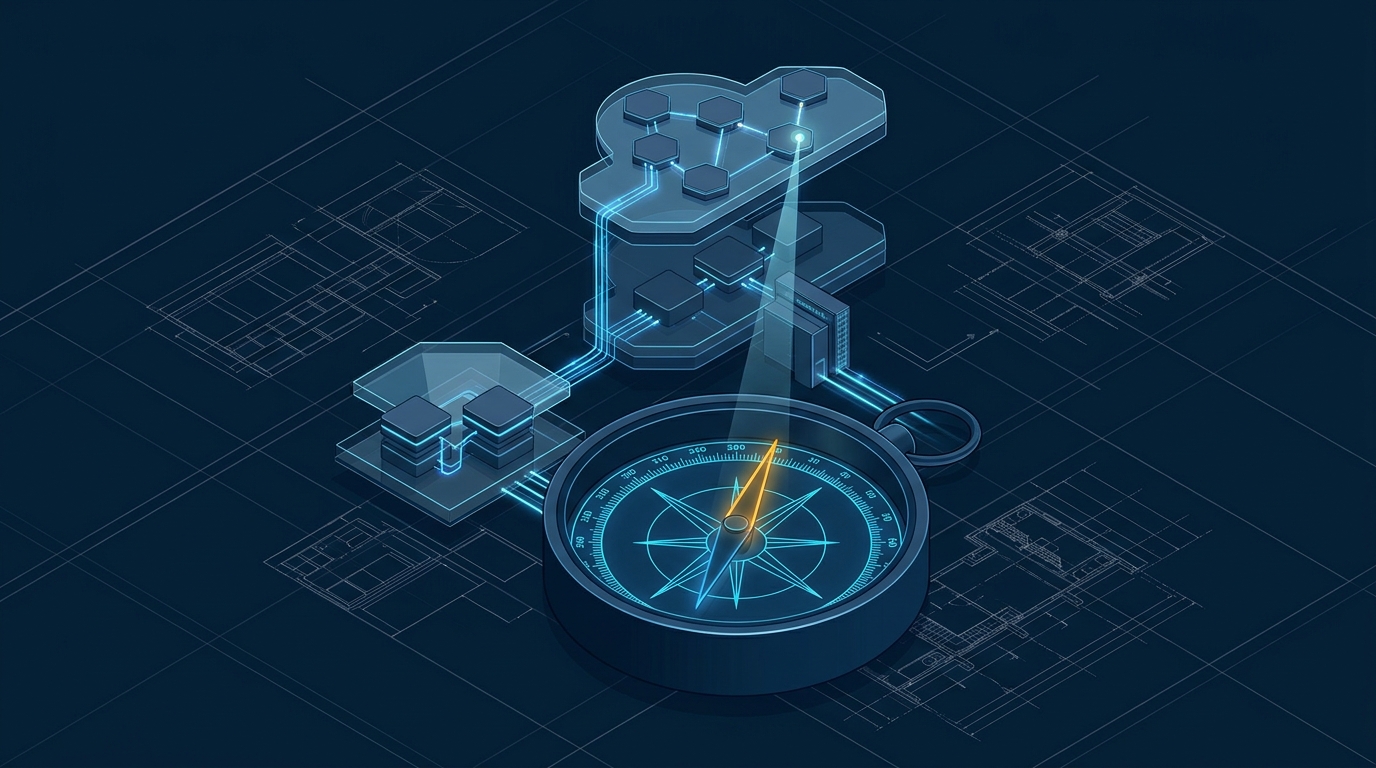
Not every part of an older codebase needs touching. Start by mapping components across two axes: **operational criticality/change frequency** and **technical risk** (security exposure, end-of-life runtimes, frequent outages).
- Quiet, stable modules that rarely change and pose no security risk can often remain wrapped behind clean interfaces.
- High-churn modules where business teams wait weeks for simple changes—or components blocking security compliance—become prime modernisation candidates.
- Extract tacit knowledge early by pairing domain operators with architects to document critical workflows and data invariants.
3. Build a safety net before cutting into the engine
Before extracting services or migrating schemas, put basic operational guardrails around the existing system so changes are observable and reversible:
- Ensure 100% of source code, configuration templates and database scripts live in Git with reproducible builds.
- Add characterisation or end-to-end smoke tests around core revenue and compliance paths.
- Instrument error logging and latency metrics so you have an objective baseline before and after each change.
- Verify database backup restoration in an isolated test environment.
4. Deliver in vertical slices using architectural seams
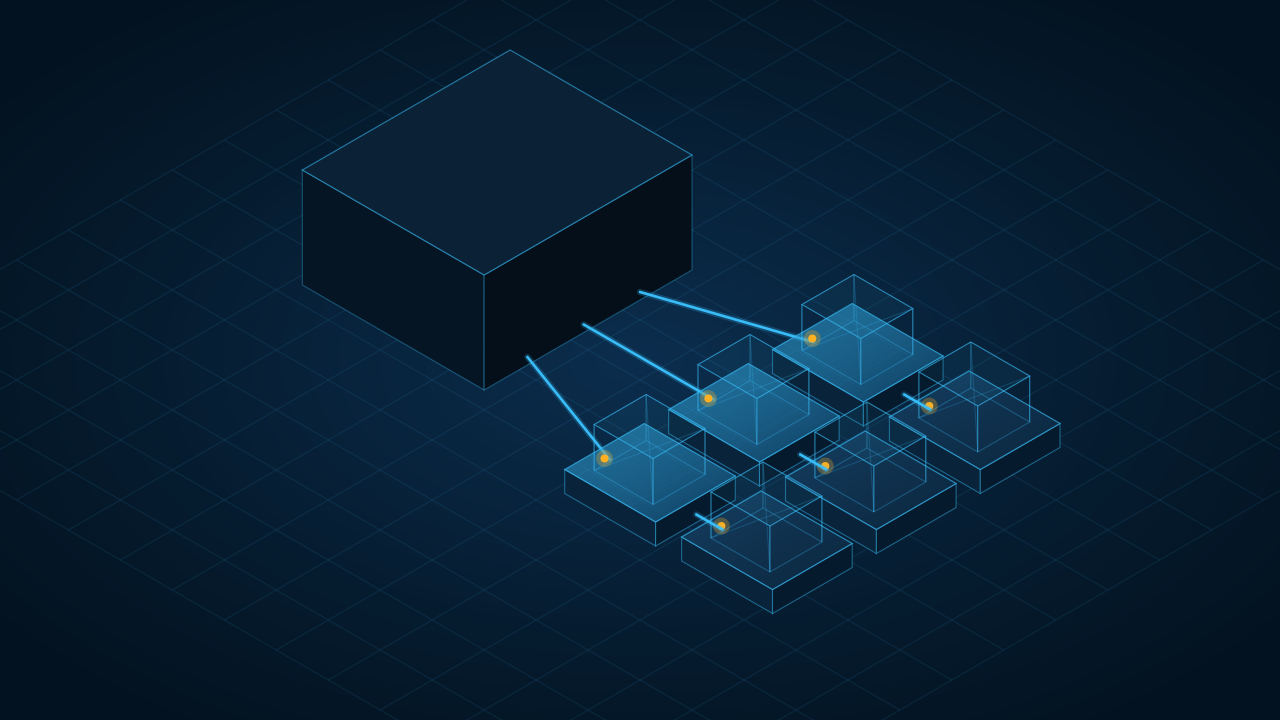
Using the Strangler Fig approach, place a clean routing layer, API gateway or portal shell in front of the legacy system. Pick one bounded workflow—such as customer onboarding, quote generation or reporting—and build it cleanly on the target stack while synchronising necessary reference data.
Once that slice runs reliably in production for real users, retire the corresponding legacy screen or job and move to the next highest-value seam. Leadership sees tangible operational improvements every quarter, and risk stays bounded at every step.