
S-04 · SYSTEMS INTEGRATION
API Design and Integration
Clean, versioned APIs and resilient middleware that connect ERPs, CRMs, finance tools and custom applications without data drift.
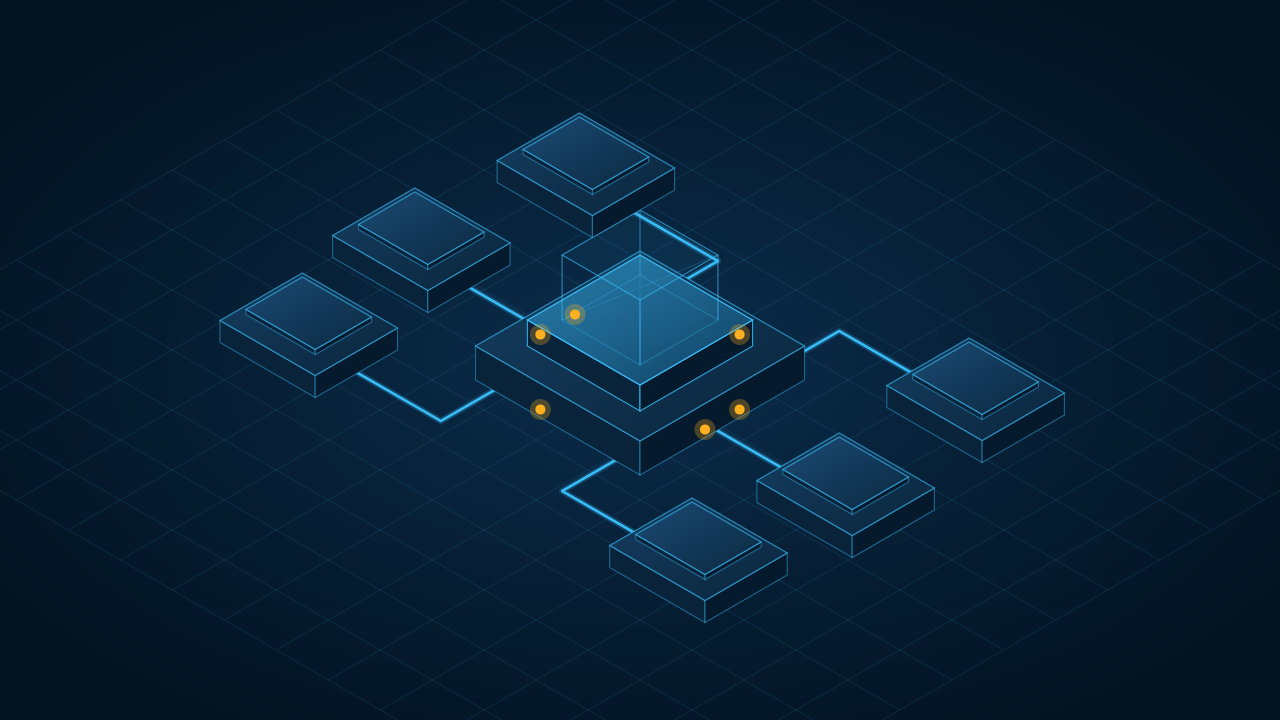
Disconnected software forces staff to copy data between systems by hand, creating delays, reconciliation errors and conflicting customer records. Yet hasty point-to-point scripts often make things worse when an external API times out or changes a field.
Mech Azure designs well-documented APIs (OpenAPI/REST and event webhooks) and builds fault-tolerant integration services with schema validation, retry logic, idempotency and dead-letter visibility.
Typical Operational Problem
Manual CSV exports, brittle point-to-point webhooks and undocumented internal endpoints cause silent data sync failures across business-critical tools.
Intended Customers & Use Cases
This service is designed for organisations and technical teams in situations like:
- Organisations synchronising orders, inventory, billing or customer records across ERP, CRM and web portals
- Software teams exposing secure partner or customer APIs with clear OpenAPI documentation
- Businesses replacing fragile Zapier/spreadsheet glue with auditable, version-controlled integration services
- Firms preparing legacy databases for safe consumption by modern web or mobile frontends
SERVICE SCOPE
What is included
Concrete engineering activities and deliverables structured within a typical engagement.
API Contract & Schema Design
Author clear OpenAPI 3.x specifications, resource naming, pagination, filtering and error codes before coding.
Authentication, Scopes & Rate Limiting
Secure endpoints with OAuth2/JWT tokens, scoped API keys, request throttling and IP/network controls.
Fault-Tolerant Integration Middleware
Implement webhook verification, queues, exponential backoff retries and idempotency keys to prevent duplicate records.
Data Mapping & Transformation
Normalise mismatched field formats, currencies, time zones and status codes cleanly between systems.
Dead-Letter & Sync Observability
Log correlation IDs across requests and surface failed payloads clearly so operations teams can inspect and replay.
Developer & Partner Documentation
Deliver interactive API references, sample requests and versioning/deprecation guidelines.
Scope Boundaries & Client Prerequisites
To keep delivery predictable and transparent, the following boundaries apply unless explicitly agreed otherwise:
- Integration capabilities are bounded by the APIs, rate limits and sandbox access provided by third-party vendors.
- Cleaning historical duplicate or corrupted source records in existing CRM/ERP databases may require a separate data hygiene step.
- Ongoing vendor subscription fees or API call surcharges from third-party platforms remain with the client.
ENGAGEMENT WORKFLOW
How API Design and Integration runs
A staged sequence with clear checkpoints from initial scoping through verification and handover.
- 1
System & Payload Audit
Inspect source and destination APIs, authentication methods, rate limits and data ownership rules.
- 2
Contract & Sequence Specification
Document field mappings, sync direction, conflict resolution rules and failure alerts.
- 3
Sandbox Build & Contract Testing
Develop endpoints and connectors against sandbox/mocked environments with automated payload tests.
- 4
Failure-Mode Rehearsal
Simulate timeouts, duplicate webhooks, malformed records and rate-limit responses.
- 5
Cutover & Sync Verification
Enable production traffic gradually with correlation logging and reconciliation checks.
SERVICE FAQS
Common technical & commercial questions
Instead of dropping the transaction, queue-backed integrations retain the message, retry automatically with backoff, and alert operators only if failure persists past the recovery threshold.
Often yes—depending on the system, we can build an adapter around SOAP/XML endpoints, scheduled SFTP file exchanges or read-replica database views, provided vendor licensing permits.
Agreeing on exact request and response schemas up front allows frontend, backend and third-party teams to build in parallel and catches data mismatches before implementation.
Complementary Services
Data Platform Integration
Reliable data pipelines, operational data stores and reporting feeds that turn scattered system records into trustworthy numbers.
Custom Software Engineering
Purpose-built business software designed around your domain logic, operational workflows and long-term maintainability.
Web Platform Development
Fast, accessible customer portals, B2B platforms and web applications built for responsiveness, security and clarity.
Related Reading
Systems Integration · 6 min read
API-First Design: When It Helps a Business
Need two or more business systems talking reliably?
List the platforms or APIs you want to connect and the data flows involved—we will assess feasibility and integration design.
info@mechazure.com.au · Norwest, NSW