
S-10 · OPERATIONS & RELIABILITY
Application Monitoring and Maintenance
Structured telemetry, actionable alerting, dependency patching and preventative engineering to keep live applications healthy.
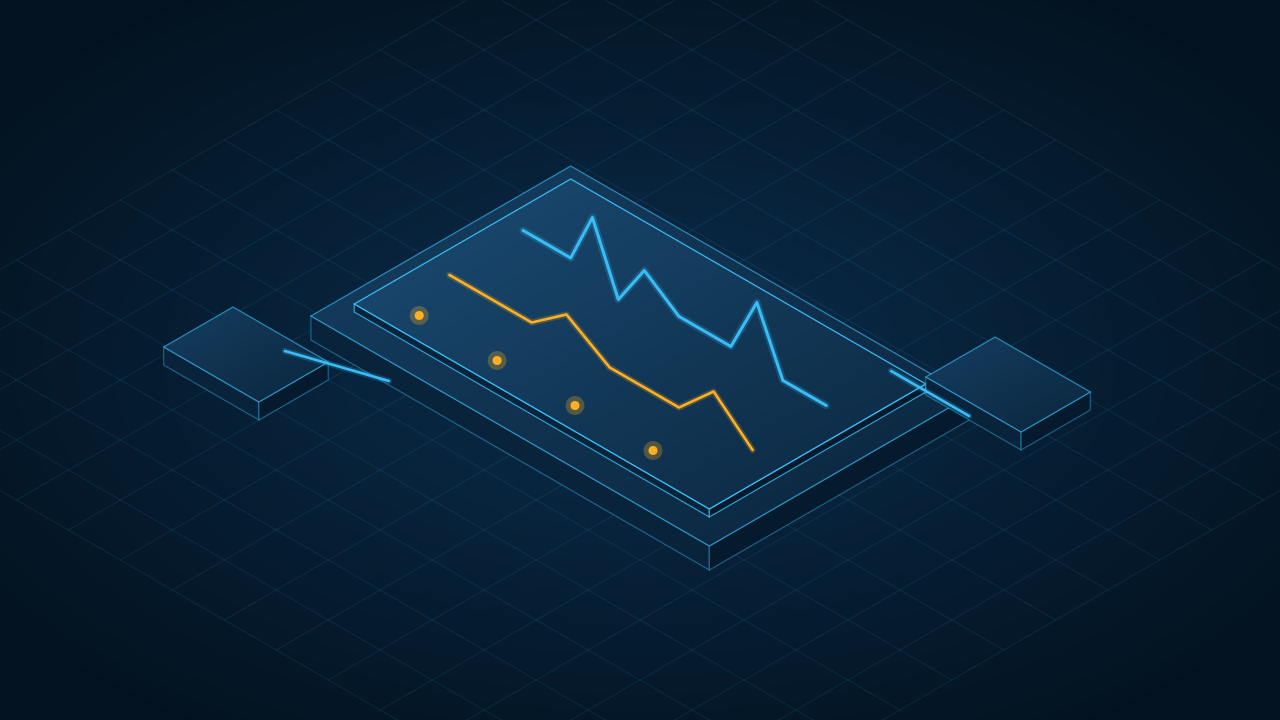
Software does not stay static once deployed: TLS certificates expire, dependencies publish security advisories, database indexes fragment as tables grow, and external APIs deprecate old versions.
Mech Azure sets up meaningful application observability and provides structured ongoing maintenance—so your team spots degradation before customers report it and keeps dependencies current without disruptive emergency upgrades.
Typical Operational Problem
Customers discover outages before internal teams do, while neglected framework updates and noisy alerts leave production systems brittle.
Intended Customers & Use Cases
This service is designed for organisations and technical teams in situations like:
- Businesses running custom web or cloud applications without dedicated internal site-reliability staff
- Teams suffering from alert fatigue caused by noisy CPU alarms rather than real user-impact metrics
- Organisations needing regular dependency patching, runtime upgrades and backup restore verification
- Clients transitioning Mech Azure-built platforms into predictable long-term operational care
SERVICE SCOPE
What is included
Concrete engineering activities and deliverables structured within a typical engagement.
Structured Logging & Distributed Tracing
Instrument applications with OpenTelemetry / Azure Application Insights to trace slow requests end to end.
Synthetic Uptime & Health Probes
Monitor critical endpoints, authentication flows, background queues and certificate expiry dates externally.
Actionable Dashboards & Alert Tuning
Build clear operational dashboards for latency, error rates and saturation, routing high-signal alerts cleanly.
Routine Security & Dependency Patching
Apply tested package, runtime and base-image updates on a regular cadence before version EOL.
Backup & Restore Verification
Periodically test database and storage backup restorations in isolated environments—because untested backups are assumptions.
Operational Runbooks & Post-Incident Reviews
Maintain clear diagnosis checklists and blameless root-cause improvements when anomalies occur.
Scope Boundaries & Client Prerequisites
To keep delivery predictable and transparent, the following boundaries apply unless explicitly agreed otherwise:
- Support hours, response targets and monthly engineering allocations are defined explicitly in a written maintenance agreement—we do not imply 24/7 follow-the-sun paging unless contracted.
- Major new product features are scoped separately from preventative maintenance and reliability upkeep.
- Onboarding pre-existing third-party codebases starts with an initial baseline health and deployability check.
ENGAGEMENT WORKFLOW
How Application Monitoring and Maintenance runs
A staged sequence with clear checkpoints from initial scoping through verification and handover.
- 1
Baseline Health & Telemetry Audit
Review current logs, error rates, backup settings, dependency age and deployment safety.
- 2
Instrumentation & Alert Setup
Deploy tracing, health endpoints, dashboards and calibrated notification channels.
- 3
Stabilisation Fixes
Address immediate high-risk security advisories, missing backups or recurring exceptions.
- 4
Scheduled Maintenance Cadence
Execute monthly/regular patching, cost checks, certificate checks and restore drills.
- 5
Periodic Health Reporting
Share concise summaries of uptime trends, latency, cloud spend and upcoming lifecycle items.
SERVICE FAQS
Common technical & commercial questions
Often yes, following a short initial codebase and deployment audit to confirm version control access, automated build capability and urgent risks.
On Azure workloads we commonly configure Azure Monitor, Application Insights and Log Analytics alongside OpenTelemetry standards, ensuring telemetry stays vendor-portable.
Automated backups confirm snapshots exist, but periodic restore drills confirm permissions, encryption keys, recovery duration and runbook accuracy actually work under pressure.
Complementary Services
DevOps and CI/CD Implementation
Automated build, test, security check and deployment pipelines that make software releases routine, auditable and reversible.
Cloud Application Development
Resilient cloud-native applications engineered on Azure and modern cloud platforms to scale cleanly and control running costs.
Infrastructure Automation
Repeatable Infrastructure as Code (Bicep, Terraform) so cloud environments are version-controlled, auditable and consistent.
Related Reading
DevOps & Delivery · 6 min read
How CI/CD Improves Software Delivery Processes
Web & Architecture · 8 min read
Designing Scalable Web Applications: Core Principles
Need clearer visibility and steady upkeep for live software?
Tell us about your current application stack and operational concerns to discuss monitoring setup or ongoing maintenance.
info@mechazure.com.au · Norwest, NSW