
S-08 · DATA ENGINEERING
Data Platform Integration
Reliable data pipelines, operational data stores and reporting feeds that turn scattered system records into trustworthy numbers.
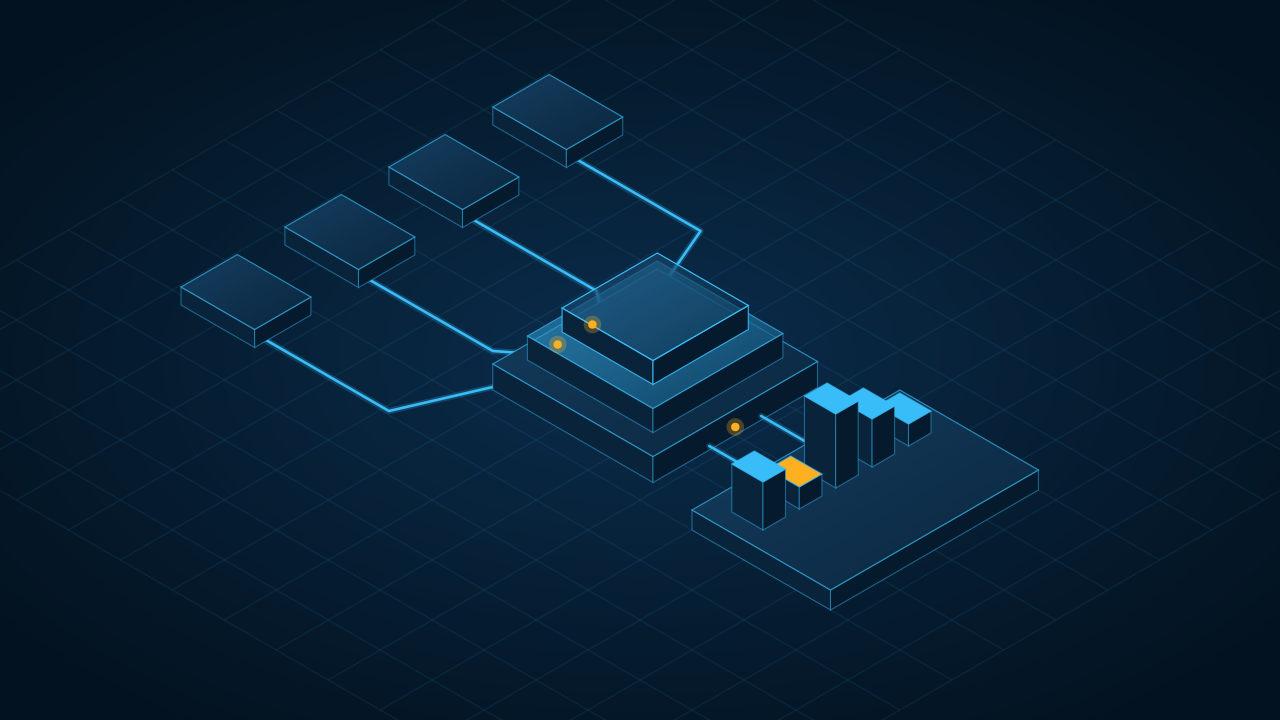
Decision-makers lose confidence in reporting when finance, sales and operations dashboards show three different totals because exports run on different schedules or silently drop failed rows.
Mech Azure builds structured data integration pipelines and analytical data stores—extracting records cleanly from operational databases and SaaS APIs, validating data quality, and delivering consistent tables for BI and operational reporting.
Typical Operational Problem
Manual spreadsheet consolidation, fragile overnight scripts and unvalidated source feeds produce stale, conflicting business reports.
Intended Customers & Use Cases
This service is designed for organisations and technical teams in situations like:
- Organisations consolidating operational data across multiple SaaS platforms, ERPs and custom databases
- Teams whose analytics queries are slowing down live transactional production databases
- Finance and operations leaders needing auditable, scheduled data feeds with freshness alerts
- Businesses establishing clean cloud data foundations on Azure SQL, PostgreSQL or cloud warehouses
SERVICE SCOPE
What is included
Concrete engineering activities and deliverables structured within a typical engagement.
Source System & Schema Profiling
Audit source APIs, database tables, update frequencies, primary keys, soft-deletes and data quality quirks.
Incremental Ingestion Pipelines
Build idempotent batch or incremental sync jobs with watermarking so re-runs never duplicate rows.
Analytical Storage & Modelling
Structure staging, cleaned and business-ready reporting layers separated from transactional workloads.
Automated Data Quality Assertions
Check row counts, null constraints, referential integrity and freshness SLAs on every pipeline run.
Access Control & PII Handling
Restrict sensitive columns via role-based views, masking or column-level permissions.
Lineage Documentation & Alerting
Document metric definitions and configure alerts when upstream schema changes break ingestion.
Scope Boundaries & Client Prerequisites
To keep delivery predictable and transparent, the following boundaries apply unless explicitly agreed otherwise:
- Business metric definitions (for example, how your company defines "active customer" or "recognised revenue") require sign-off from your domain stakeholders.
- Predictive machine learning research or custom AI model training is separate from foundational data platform engineering.
- BI tool user licences (such as Power BI Pro) are provisioned under your organisation’s tenant.
ENGAGEMENT WORKFLOW
How Data Platform Integration runs
A staged sequence with clear checkpoints from initial scoping through verification and handover.
- 1
Source & Reporting Audit
Catalogue key business questions, source systems, refresh cadence and data volumes.
- 2
Data Model & Pipeline Design
Design ingestion architecture, storage layers, transformation logic and governance rules.
- 3
Connector & Transformation Build
Implement version-controlled ingestion jobs and SQL/transformation models with test datasets.
- 4
Reconciliation & Quality Testing
Verify transformed totals directly against authoritative source system records.
- 5
Scheduled Operation & Handover
Enable automated orchestration, failure alerts and clear data dictionary documentation.
SERVICE FAQS
Common technical & commercial questions
Heavy reporting queries lock tables and degrade live user performance, while raw application schemas rarely match historical reporting needs. Separating an analytical store protects both.
Schema validation catches unexpected payload changes in the staging layer and alerts engineers immediately rather than silently writing corrupt zeros into executive dashboards.
Not at all. Many mid-sized workloads run fast and cost-effectively on well-indexed cloud PostgreSQL or Azure SQL before ever needing large-scale MPP warehouse tiers.
Complementary Services
API Design and Integration
Clean, versioned APIs and resilient middleware that connect ERPs, CRMs, finance tools and custom applications without data drift.
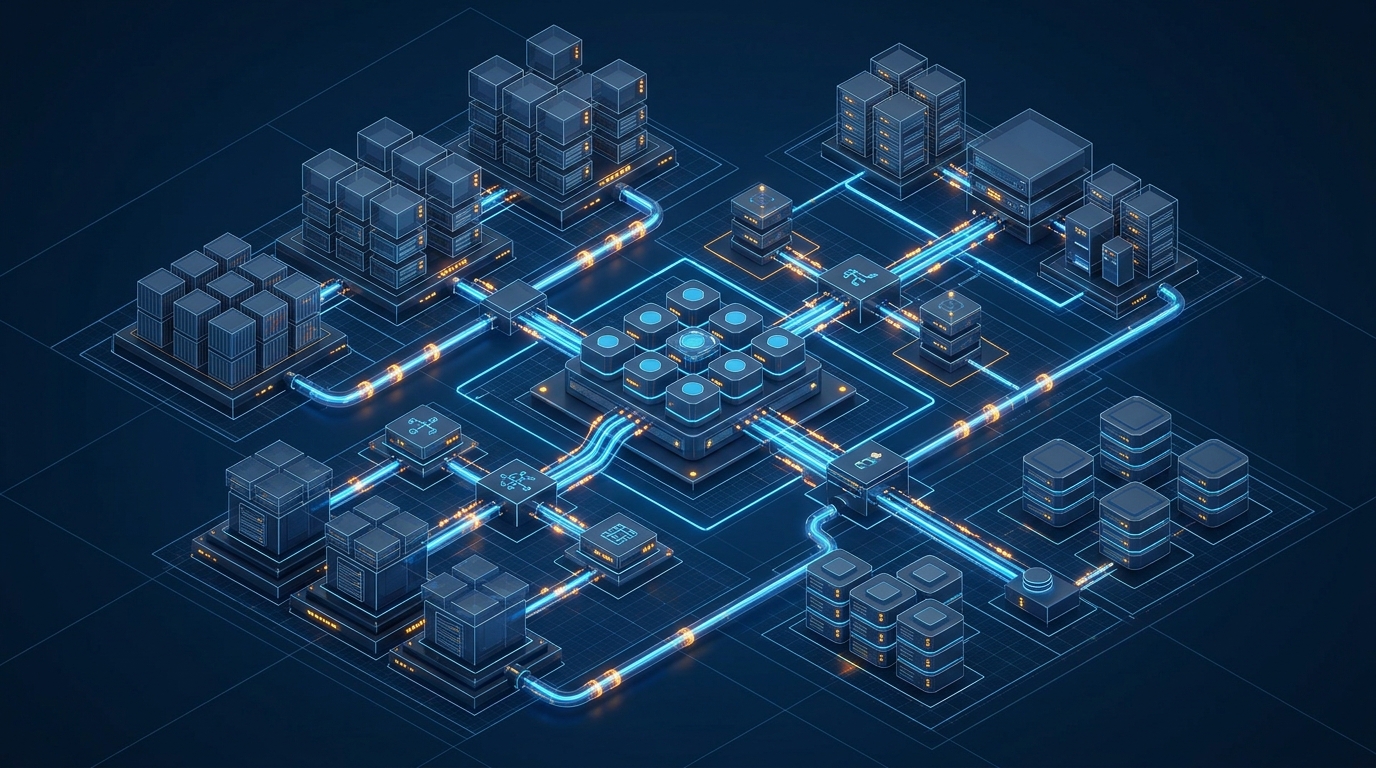
Cloud Application Development
Resilient cloud-native applications engineered on Azure and modern cloud platforms to scale cleanly and control running costs.
Application Monitoring and Maintenance
Structured telemetry, actionable alerting, dependency patching and preventative engineering to keep live applications healthy.
Related Reading
Cloud Strategy · 7 min read
What to Consider Before Moving Applications to the Cloud
Systems Integration · 6 min read
API-First Design: When It Helps a Business
Want operational numbers your whole business can trust?
Tell us which data sources you need to bring together and how reports are consumed today.
info@mechazure.com.au · Norwest, NSW